Mindfulness and Movement in the Present Moment



Tanzsaal Tegel
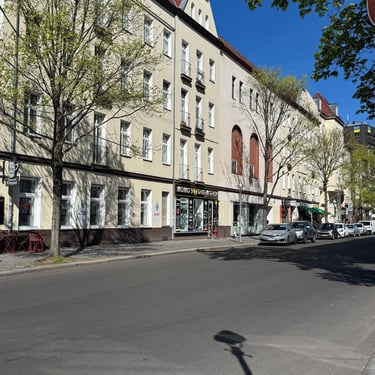
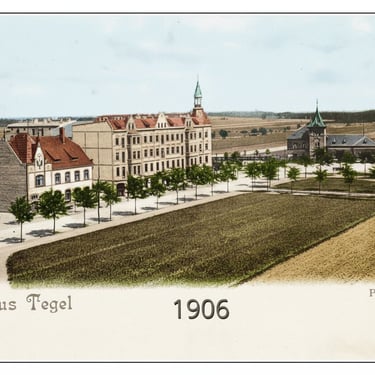
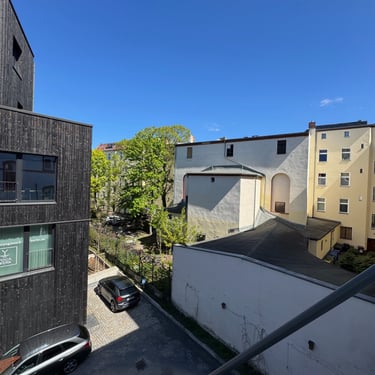
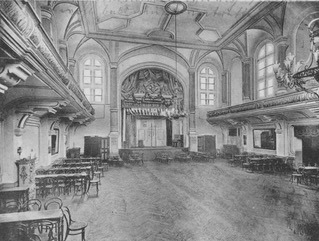
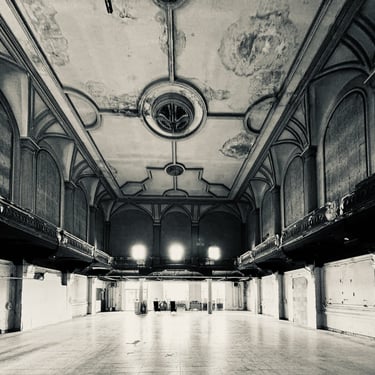
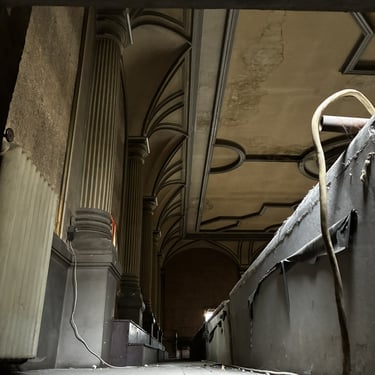
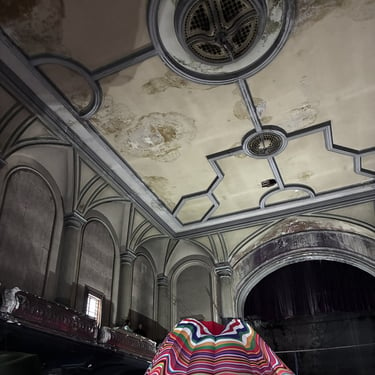
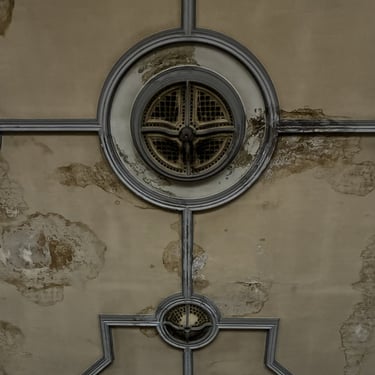
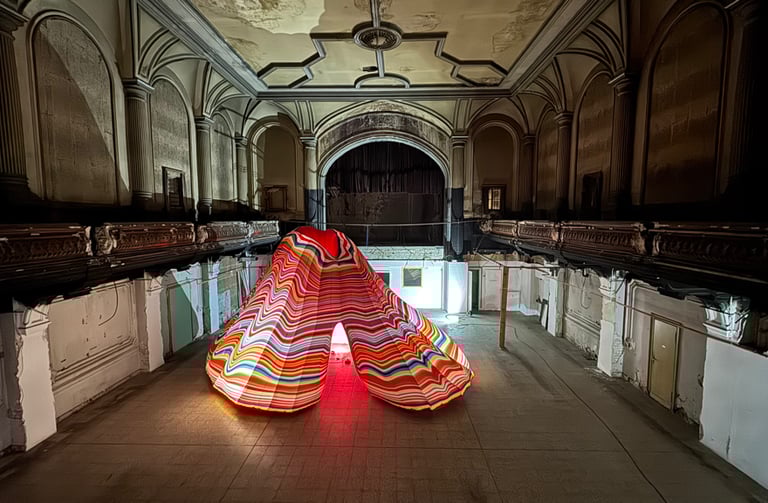
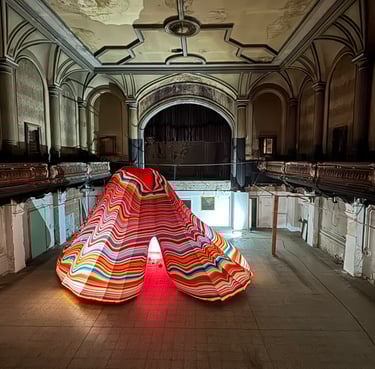
The Tanzsaal in Berlin-Tegel is the point of origin of the Kunstverein Mitwelt. It is a space between past and future, between dream and reality, a field of resonance and encounter.
As a listed former ballroom from 1901, embedded in a Berlin residential building, it carries traces of changing uses—from cinema to supermarket. Today, it is being reimagined and developed as a cultural space. The Tanzsaal forms the architectural framework for an interdisciplinary experimental field of research. Here, art, movement and consciousness are understood as interconnected dimensions of a living system. The space is not static. It responds, stores and transforms—through bodies, through use, through time.
The Tanzsaal Tegel develops as an open Inter disciplinary laboratory of metamorphosis: a place for artistic research, dance, performance, exhibitions, workshops, residencies and collective formats. A place where perception takes form, community emerges and neighbourhood is shaped through shared experience. Neighbourhood does not frame the work—it is part of the practice.
It makes the past visible while testing the future through present action. The Tanzsaal is part of an urban fabric and a site of urban practice. Research, celebration and knowledge are not separated here but interwoven, emerging through shared processes.
THE VULKANLABOR
The central working format is the Vulkanlabor. It understands art as a method of transformation. The Tanzsaal is conceived as a living space in which bodies, materials, architecture as well as ecological and social processes interact. Processes do not unfold linearly but in flux—in the sense of panta rhei.
The laboratory is not a closed project but an open condition of continuous transformation. The curatorial concept emerges from the practice of the site. It brings together visual art, dance, performance, sound, architecture and ecological questions within a shared field of work. Curating here does not mean selection and presentation but the creation of conditions: for perception, movement, encounter and transformation.
Interdisciplinarity. The connection of different disciplines is not an additive principle but a working method. Art, movement, sound, architecture and ecological questions are not placed side by side but interwoven within shared processes. The Tanzsaal functions as a space of resonance in which processes condense, shift and reconfigure.
The art association Mitwelt, „Kunstverein Mitwelt“, was founded on May 28, 2026.
Chair: Valeska Peschke, Prof. Dr. Hilary Braysmith, n.n.
Contact: vorstand@kunstverein-mitwelt.org